The Northern Garden Journal · Vegetable Growing
The Best Vegetables for Minnesota Gardens: Cold-Hardy Picks That Actually Produce
The best vegetables for Minnesota gardens are the ones bred and chosen for a short, cool season — not the ones that look good in a catalog written for Tennessee. If you garden in zone 3b–4a, this list of proven cold-hardy producers, plus a simple succession planting plan, will fill your table from June through the first hard frosts.
Up here we get roughly 130 frost-free days, cool nights well into June, and a fall that can turn fast. The trick is not fighting that climate. The trick is picking crops that love it.
The Cold-Hardy Core: Crops That Like Our Weather
These vegetables don't just tolerate cool weather — several of them taste better after a light frost, because the plants convert starches to sugars as protection.
Leafy Greens and Brassicas
- Kale — the toughest plant in the garden. Sow in spring, harvest into November; it survives hard frosts under a little snow cover. 'Winterbor' and 'Red Russian' both earn their space.
- Cabbage — start indoors 4–6 weeks before transplanting out in late April to May. Early varieties like 'Golden Acre' mature in about 65 days, well inside our window.
- Broccoli — plant early and pick the side shoots all summer after the main head. Choose fast varieties around 60 days to harvest.
- Swiss chard — sow once in May and cut leaves until frost kills it, which takes real cold. Far more forgiving than spinach in a warm spell.
Roots That Sweeten in Cold Soil
- Carrots — sow in May and again in July. Cool fall soil makes them noticeably sweeter. Shorter varieties like 'Danvers Half Long' handle heavier soil better than long, slender types.
- Beets — sow every few weeks from May on; you get greens early and roots later, two crops from one row.
- Parsnips — sow in spring and leave them in the ground until after hard frosts. They need the cold to sweeten. Just mark the row well — you'll be digging them when everything else is done.
Peas, Beans, and the Short-Season Fruiting Crops
- Snap peas — direct-sow as soon as the soil can be worked, usually late April here. They want cool weather and quit in heat, so get them in early.
- Bush beans — wait until after last frost; beans rot in cold soil. Bush types beat pole types for reliability in a short season, and they're ready in about 55 days.
- Zucchini and summer squash — one or two plants, no more, unless you enjoy leaving bags on neighbors' porches. They produce fast even in our season.
- Cucumbers — pick short-season varieties around 50–55 days and give them a trellis; airflow cuts the mildew problems our humid spells bring.
Tomatoes and Peppers: Choose by Days, Not Dreams
Heat-lovers work here — if you respect the calendar. Look at days to maturity on every packet and favor the low numbers. Determinate and early tomatoes in the 55–70 day range ripen reliably; a 90-day heirloom is a gamble that green-tomato relish usually settles. For peppers, early varieties like 'King of the North' were bred in the North for exactly our problem: fruit that sets and ripens in cool nights.
Succession Planting: Small Sowings, All Season
The biggest difference between a garden that feeds you in June and one that feeds you until frost is succession planting — sowing small amounts often instead of everything at once in May.
Succession Planting Checklist
- Every 2 weeks, May through July: bush beans, beets, carrots (until mid-July), lettuce, radishes
- Early spring + late summer: spinach and lettuce bolt in heat — sow them in April–May, then again in mid-August for a fall crop that thrives in cooling weather
- After the peas finish (early July): pull them and plant fall broccoli, kale, or a quick bean crop in the same bed
- Mid-August deadline: last sowing of fast greens (lettuce, spinach, radishes) for fall harvest under row cover
Keep a notebook or a phone note with sowing dates. Next year's plan starts with this year's dates.
A Square Foot Garden Planner spreadsheet or the Square Foot Garden Planner & Logbook will hold those sowing dates next to a bed layout, if you want one place for the plan. There is also a free Square-Foot Garden Planner you can use in the browser. For variety and timing help through a short season, Short-Season Vegetable Gardening is the book we wrote for this climate.
Give Fall a Chance
A lot of northern gardeners quit in August, and it's a shame — September is one of our best growing months. Kale, chard, carrots, beets, and fall greens keep producing through light frosts, and a sheet of floating row cover buys you two to four extra weeks on both ends of the season. Mulch root crops heavily with straw after the first hard frost and you can keep digging carrots into early winter.
Closing tip: When you're standing in the seed aisle, flip the packet over and find the days-to-maturity number before you look at the picture. In Minnesota, that number — and an honest count of your frost-free days — decides what dinner looks like in September.
From Tim’s bookshelf
Go deeper with a book
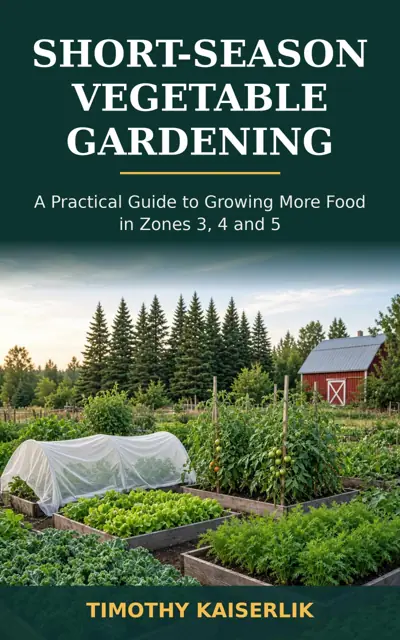
Short-Season Vegetable Gardening
A Practical Guide to Growing More Food in Zones 3, 4 and 5
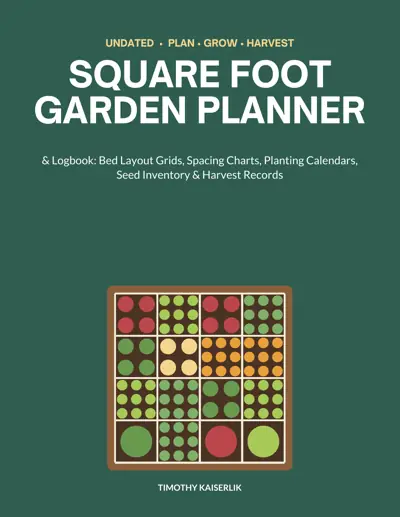
Square Foot Garden Planner & Logbook
An Undated Vegetable Garden Journal with Bed Layout Grids, Spacing Charts, Planting Calendars, Seed Inventory & Harvest Records
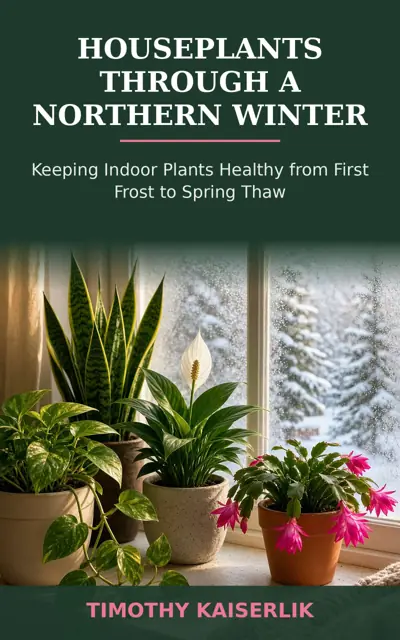
Houseplants Through a Northern Winter
Keeping Indoor Plants Healthy from First Frost to Spring Thaw
Further reading
The Year-Round Vegetable Gardener (opens in a new tab) by Niki Jabbour
Season extension, succession planting, and cold-weather crops from a Nova Scotia gardener — a strong fit for short northern seasons.
More like this
Gift Guide
The Zone Garden Encyclopedia, Book 1: A Must-Have Christmas Gift for Northern Gardeners
Why a USDA zone number is not a climate, and why The Zone Garden Encyclopedia, Book 1, is a must-have Christmas gift for zone 3–4 gardeners.
Seed Starting
Starting Seeds Indoors for a Short Northern Season: Timing, Lights, and Hardening Off
Learn when to start seeds indoors in Minnesota, how to set up grow lights, and how to harden off seedlings so they thrive in a short northern season.
Herbs
Growing and Preserving Culinary Herbs: Basil, Cilantro, Dill, and Parsley
How to grow basil, cilantro, dill, and parsley in a northern garden, and how to dry or freeze each herb so your harvest lasts through a Minnesota winter.
Free printable
Get the free Christmas word search
Print a sample of our holiday word search puzzles for family game night, the classroom, or a quiet evening with coffee. Big, easy-to-read puzzles.
Free download, no purchase needed. The checkout page may ask for an email address to deliver the file.