
A Beginner Square-Foot Garden Layout
Plan a small raised bed in one-foot squares and choose a first-season layout. Confirm spacing with your seed packet and local Extension.
Plan a small bed with square-foot spacing, and learn what water-bath canning can and cannot safely do. Canning steps follow USDA and National Center for Home Food Preservation guidance — we do not invent processing times.
Plan a small raised bed in one-foot squares and choose a first-season layout. Confirm spacing with your seed packet and local Extension.
Learn when water-bath canning is appropriate, what not to do, and how to follow USDA and NCHFP tested recipes. We do not invent processing times.
Lay out a raised bed in one-foot squares, place plants at typical square-foot spacing, and print a planting list.
Garden and Homestead
Educational posts in this topic.
Garden blog
Vegetable and herb guides for a short northern season: seed starting, crop picks, culinary herbs, and soil preparation.
6 postsGarden blog
Cold-hardy and edible perennials for zones 3–4, plus dividing and winter care for Minnesota beds.
4 postsVegetable Growing
The best vegetables for Minnesota gardens: cold-hardy varieties that produce in zone 3b–4a, plus a simple succession planting plan for harvests all season.
Herbs
How to grow basil, cilantro, dill, and parsley in a northern garden, and how to dry or freeze each herb so your harvest lasts through a Minnesota winter.
Soil & Beds
Spring soil preparation for northern gardens: how to test your soil, what to amend and when, and a raised beds vs. in-ground comparison for Minnesota.
Seed Starting
Learn when to start seeds indoors in Minnesota, how to set up grow lights, and how to harden off seedlings so they thrive in a short northern season.
Vegetable Growing
When to plant vegetables in Minnesota, month by month: what goes in the ground from April to September in zones 3b-4a, keyed to frost dates.
Gift Guide
Why a USDA zone number is not a climate, and why The Zone Garden Encyclopedia, Book 1, is a must-have Christmas gift for zone 3–4 gardeners.
Plant Guides
Cold-hardy perennials that survive Minnesota winters in zones 3 and 4 — hosta, daylily, peony, Siberian iris and echinacea with bloom times and care tips.
Garden Skills
When and how to divide perennials in Minnesota — spring vs fall timing by plant type, step-by-step splitting, and replanting tips for zone 3-4 gardens.
Edible Perennials
Edible perennials for cold climates — asparagus, rhubarb, chives, sorrel and berry bushes that survive zone 3-4 winters and produce for years.
Seasonal Care
Winterize perennial beds in cold climates — what to cut back or leave standing, mulching after ground freeze, and protecting borderline plants in zone 3-4.
Optional
Use these if you want a ready-made file. The guides and tools work without them.
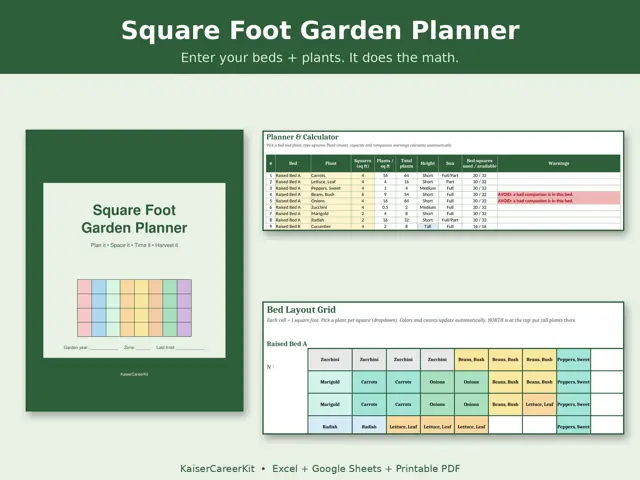
Plan a garden that actually fits. Type in your bed sizes, pick your plants, and this square-foot garden planner works out how many plants fit, flags crowded beds and bad plant neighbors, and builds…
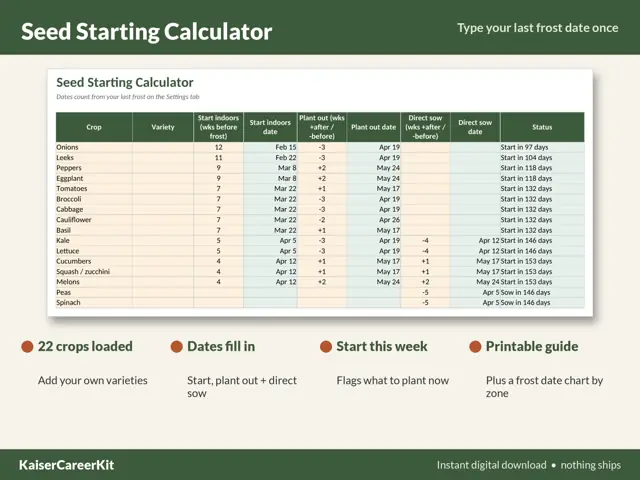
Garden + Canning Planner: a seed-to-shelf homestead binder for starting seeds by zone, logging every canning batch, and tracking your pantry, eggs, animals and homestead budget.
Garden planning pages, planting and harvest tracking, and canning inventory sheets, all in one printable PDF. Instant download, print at home.
Optional
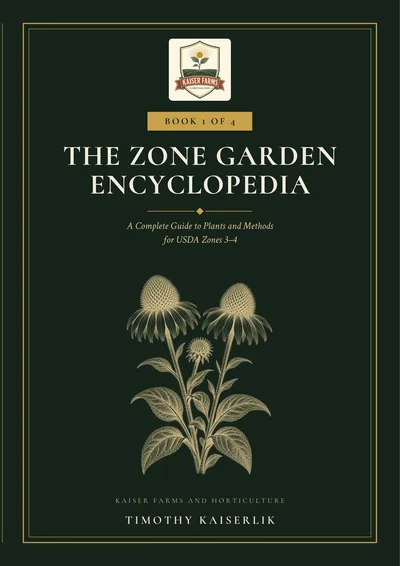
A Complete Guide to Plants and Methods for USDA Zones 3–4
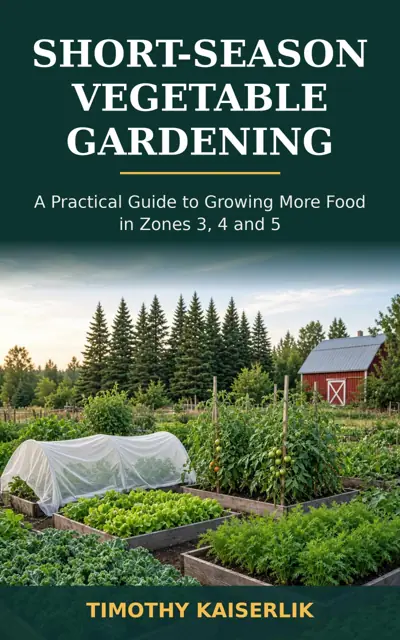
A Practical Guide to Growing More Food in Zones 3, 4 and 5
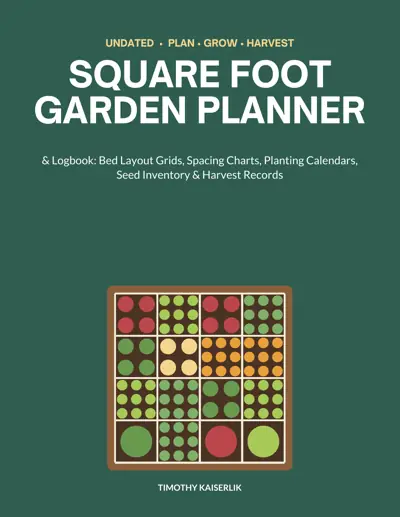
An Undated Vegetable Garden Journal with Bed Layout Grids, Spacing Charts, Planting Calendars, Seed Inventory & Harvest Records
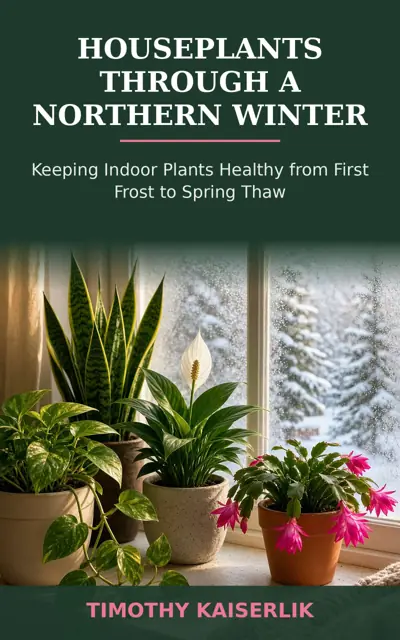
Keeping Indoor Plants Healthy from First Frost to Spring Thaw
From Seeds to Harvest in Any Climate