Garden and Homestead
Water-Bath Canning Safety Basics
TL;DR
- Use a boiling-water (water-bath) canner only for high-acid foods, and only with a current, tested recipe from the USDA Complete Guide or the National Center for Home Food Preservation.
- Low-acid vegetables, meats, and many mixtures need a pressure canner, not a water bath. Do not improvise a water-bath time for them.
- Do not can in an oven, dishwasher, microwave, or open kettle. Look up altitude adjustments in the tested recipe; boiling point changes with elevation.
- This page does not give processing times. If a jar looks, smells, or behaves suspiciously, do not taste it. Follow NCHFP spoilage guidance and throw out unsafe food.
Home canning is safe when you follow current, tested methods. It is not safe when you shorten a process, guess at a time, or use a method that does not get the food hot enough for long enough. The National Center for Home Food Preservation (NCHFP), established with USDA funding, is the public source for research-based home canning guidance in the United States. The USDA Complete Guide to Home Canning (2015 revision) is available through NCHFP. This page explains the safety basics of boiling-water canning, also called water-bath canning. It is not a complete canning manual, and it does not give processing times. For times, headspace, and ingredient amounts, use the tested recipe for the food you are preserving.
What a water bath can and cannot do
A boiling-water canner heats jars in water that is at a full boil. That method is used for high-acid foods, such as most plain fruits, jams and jellies, pickles, and many properly acidified tomato products, when a tested recipe says so. The acid, together with the heat and the time in the recipe, is what makes the process appropriate for those foods.
Low-acid foods — most vegetables (other than those that a tested pickle recipe has properly acidified), meats, poultry, seafood, and many soups or mixtures — are not processed in a boiling-water canner. They need a pressure canner and a tested pressure-canning recipe. Do not invent a longer water-bath time and call it “close enough.” That is one of the ways home-canned food can become unsafe, including the risk of botulism. If you are not sure whether a food is high-acid, do not can it until you have a current tested recipe that says which method to use.
Tomatoes need special care. USDA and NCHFP guidance requires added acid (such as bottled lemon juice or citric acid, in the amounts the recipe specifies) when tomatoes are canned. Do not skip the acid because the tomatoes “taste tart.” Acidity varies.
Use a tested recipe — not a memory or a social post
Use a current recipe from the USDA Complete Guide, from NCHFP, or from a Cooperative Extension source that follows that research. A recipe from a blog, a video, or a family notebook is not a safety document unless it is clearly taken, without changes, from one of those tested sources. Do not reduce the acid, thicken a recipe with extra starch, add extra vegetables to a salsa, or swap a water bath for a pressure process. Those changes can move a food out of the safety range the recipe was tested for.
Look up your altitude and use the adjustments in the guide. Water boils at a lower temperature as elevation rises, so processing times (and pressure canner pressures) change. The NCHFP pages and the USDA guide include those tables. Do not copy a time from someone who gardens at a different elevation.
Use the right equipment, and skip methods that are not recommended
Use canning jars made for the purpose, and lids and rings as the manufacturer and the recipe describe. The canner must be deep enough so that the water covers the jar tops by the amount NCHFP specifies (at least one inch, and more for longer processes). NCHFP’s page on using boiling-water canners walks through preheating the water, loading jars with a jar lifter, keeping the water at a boil, and what to do if the boil stops — in that last case, the instructions say to bring the water back to a vigorous boil and restart the timing from the beginning.
Do not can in a conventional oven, a dishwasher, a microwave, or an open kettle (that is, filling jars with hot food and skipping a proper boiling-water or pressure process). Those methods are not recommended in current NCHFP guidance. Some atmospheric steam canners are addressed in newer NCHFP material for certain high-acid foods; only use a steam canner if the current NCHFP instructions say that method is approved for that recipe. When in doubt, use a boiling-water canner or a pressure canner as the tested recipe states.
After processing: cool, check, store, and be willing to throw food out
When the published time is done, follow the cooling steps in the instructions (NCHFP describes turning off the heat, removing the lid, waiting, and lifting jars without tilting them). Let jars sit undisturbed for the time the directions give, then check the seals as described. Label the food and the date, and store sealed jars in a cool, dark, dry place. Refrigerate or reprocess only as the tested guidance allows; do not invent a second method for a jar that failed to seal.
Never taste food from a jar with a bulging lid, a leak, spurting liquid, an off odor, or other signs of spoilage described by NCHFP. Some toxins cannot be seen or smelled. When you have any doubt, throw the food out in a way that pets and other people cannot eat it, following NCHFP’s spoilage guidance. Safe home canning is careful, a little slow, and loyal to the published recipe. That is the whole standard. If you want a place to plan batches and keep notes, a canning planner can help you stay organized — it does not replace the USDA or NCHFP instructions for the food in the pot.
Sources
Optional
A template if you want one
Use these if you want a ready-made file. The guides and tools work without them.
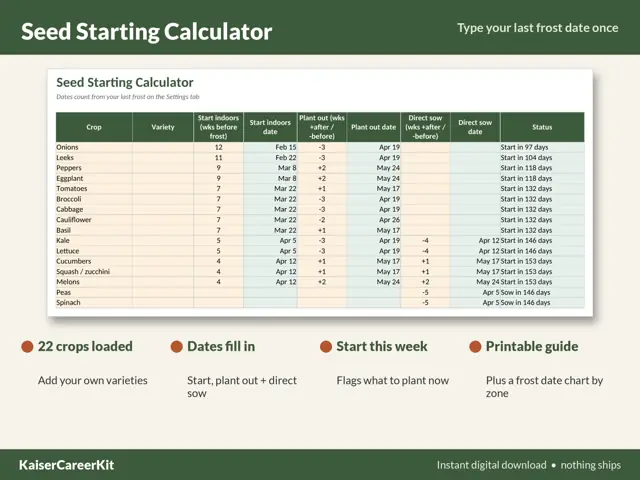
Homestead Canning Planner
Garden + Canning Planner: a seed-to-shelf homestead binder for starting seeds by zone, logging every canning batch, and tracking your pantry, eggs, animals and homestead budget.
Garden & Canning Planner Bundle
Garden planning pages, planting and harvest tracking, and canning inventory sheets, all in one printable PDF. Instant download, print at home.
From Tim’s bookshelf
Go deeper with a book
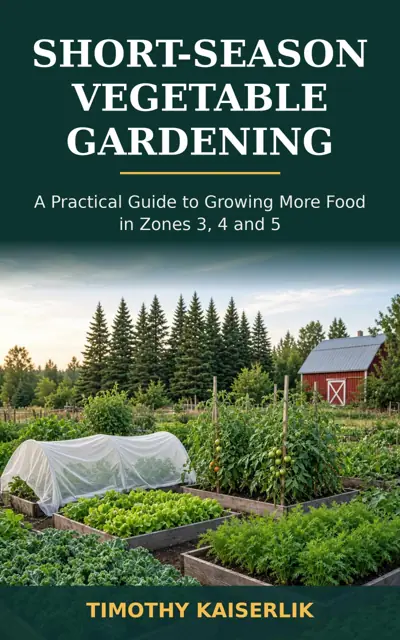
Short-Season Vegetable Gardening
A Practical Guide to Growing More Food in Zones 3, 4 and 5
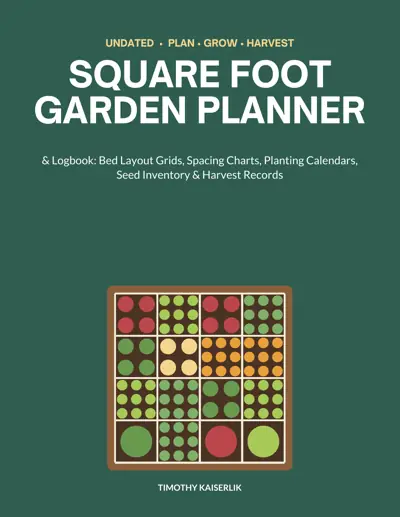
Square Foot Garden Planner & Logbook
An Undated Vegetable Garden Journal with Bed Layout Grids, Spacing Charts, Planting Calendars, Seed Inventory & Harvest Records
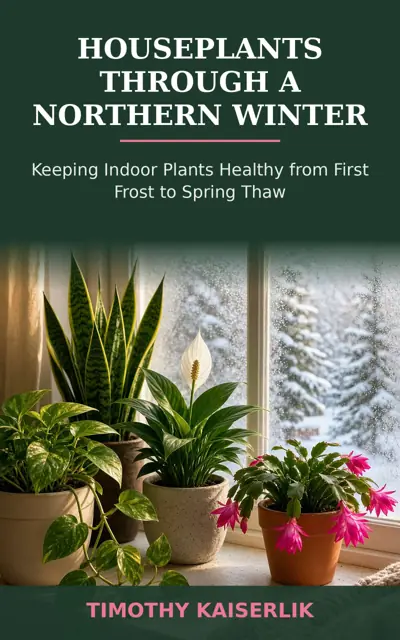
Houseplants Through a Northern Winter
Keeping Indoor Plants Healthy from First Frost to Spring Thaw
Further reading
Ball Complete Book of Home Preserving (opens in a new tab) by Judi Kingry, Lauren Devine, and Sarah Page
A standard home-canning reference with tested recipes. Use it alongside USDA and NCHFP guidance; this is not a substitute for a current tested process.
More like this
Garden and Homestead
A Beginner Square-Foot Garden Layout
Plan a small raised bed in one-foot squares and choose a first-season layout. Confirm spacing with your seed packet and local Extension.
Free printable
Get the free Christmas word search
Print a sample of our holiday word search puzzles for family game night, the classroom, or a quiet evening with coffee. Big, easy-to-read puzzles.
Free download, no purchase needed. The checkout page may ask for an email address to deliver the file.