The Northern Garden Journal · Gift Guide
The Zone Garden Encyclopedia, Book 1: A Must-Have Christmas Gift for Northern Gardeners
A USDA hardiness zone tells you one important fact: the average annual extreme minimum temperature where you garden. It does not tell you when the last spring frost usually arrives, when the first fall freeze is likely, how long your growing season actually is, how hot the summer gets, how wet or dry the soil is, or whether a plant is native to your county.
That is why two Zone 4 gardens can behave so differently. A lakeshore plot in Minnesota, a high valley in the Rockies, and a milder pocket of Interior Alaska may share a zone number and almost nothing else. If you have ever watched a catalog variety stall in a cool June, or lost a late crop to an early September freeze, you already know the zone map is only the first filter.
The practical next questions are local. When do official frost and freeze dates usually fall near you? Which methods actually help in a short northern season — soil testing, planning, watering, season extension, harvest, and storage? Which plants have a real record of succeeding in USDA Zones 3 and 4, and how do you grow them here, not in a climate copied from somewhere warmer?
Keep those answers close to the potting bench. A single, sourced reference written for this climate saves you from guessing, from paging through advice meant for a longer season, and from planting something that was never going to make it through your winter.
A complete reference written for Zones 3 and 4
The Zone Garden Encyclopedia, Book 1, was written for gardening where winters are long and seasons are short: USDA Hardiness Zones 3 and 4, from the northern Plains and Upper Midwest to northern New England, the Rockies, and interior Alaska.
It is a 794-page, 7 × 10 inch volume. Inside are 438 sourced plant entries, each with a full data table, clear growing guidance, and an original botanical plate. Facts are drawn from university Extension services, the USDA PLANTS Database, the Missouri Botanical Garden, and NOAA climate normals. Where sources disagree, both readings are carried. Where they are silent, the entry marks the fact as not stated rather than filling the gap.
You will also find frost and freeze probability tables built from NOAA's 1991–2020 climate normals for 318 stations; a methods section on soil, compost, watering, season extension, and pest management for short-season gardens; and 202 native plants identified, with a chapter of natives organized by role — pollinators, wildlife, rain gardens, shade, and erosion control. A glossary, a full source bibliography, and a detailed index close the book.
This is Book 1 of a 4-book set. Book 1 covers Zones 3–4. Books 2, 3, and 4 will cover Zones 5–6, 7–8, and 9–10. If you garden in the cold country, this is the volume that belongs on your shelf, and the place to start the collection.
The perfect Christmas gift
If you are buying for a gardener this Christmas, this is a gift that gets used in January when the seed catalogs arrive, again at planting time, and all season when a plant question comes up.
It is a strong fit for:
- New gardeners, who need one clear place to check what actually belongs in a short, cold season before they spend a spring on the wrong varieties.
- Seasoned growers, who want a dependable, sourced encyclopedia in reach — not a thin list, and not advice rewritten from a warmer zone.
- Parents and grandparents who still work a northern plot, keep a berry row, or talk about the garden at the holiday table. A hardcover on the coffee table, or a paperback that can go out to the shed, is a gift that says you see what they love.
It also works as a gift to yourself. If you have been patching together frost dates, plant lists, and methods from a dozen tabs, this book gathers them into one volume written for the climate you actually have.
The Barnes & Noble paperback is $44.99. The hardcover is $64.99. Amazon editions are coming soon. You will find the live Barnes & Noble links below, and a full look at what's inside on the book's launch page.
From Tim’s bookshelf
Go deeper with a book
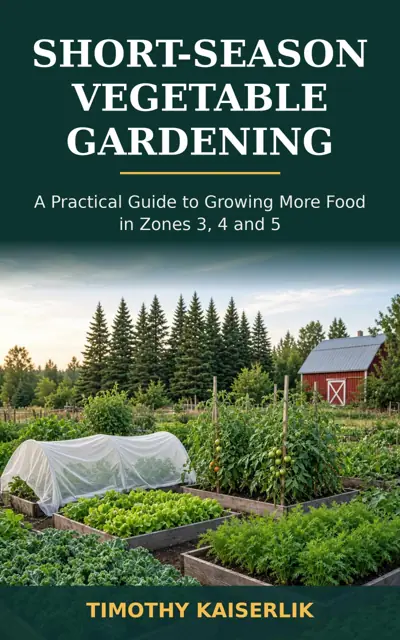
Short-Season Vegetable Gardening
A Practical Guide to Growing More Food in Zones 3, 4 and 5
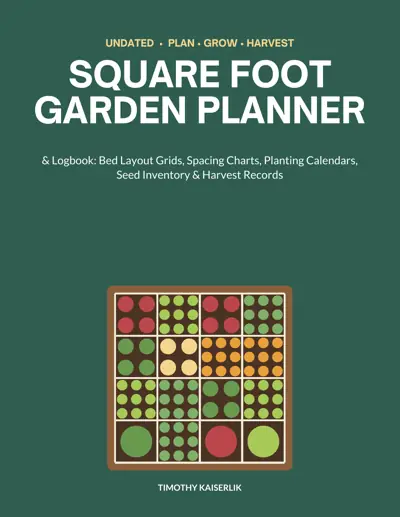
Square Foot Garden Planner & Logbook
An Undated Vegetable Garden Journal with Bed Layout Grids, Spacing Charts, Planting Calendars, Seed Inventory & Harvest Records
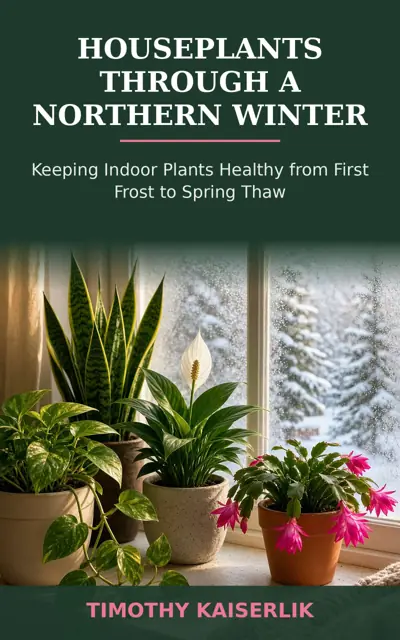
Houseplants Through a Northern Winter
Keeping Indoor Plants Healthy from First Frost to Spring Thaw
More like this
Seed Starting
Starting Seeds Indoors for a Short Northern Season: Timing, Lights, and Hardening Off
Learn when to start seeds indoors in Minnesota, how to set up grow lights, and how to harden off seedlings so they thrive in a short northern season.
Vegetable Growing
The Best Vegetables for Minnesota Gardens: Cold-Hardy Picks That Actually Produce
The best vegetables for Minnesota gardens: cold-hardy varieties that produce in zone 3b–4a, plus a simple succession planting plan for harvests all season.
Herbs
Growing and Preserving Culinary Herbs: Basil, Cilantro, Dill, and Parsley
How to grow basil, cilantro, dill, and parsley in a northern garden, and how to dry or freeze each herb so your harvest lasts through a Minnesota winter.
Free printable
Get the free Christmas word search
Print a sample of our holiday word search puzzles for family game night, the classroom, or a quiet evening with coffee. Big, easy-to-read puzzles.
Free download, no purchase needed. The checkout page may ask for an email address to deliver the file.