
The Northern Garden Journal · Herbs
Keeping Culinary Herbs Going Indoors Through a Minnesota Winter
A Minnesota winter is a long stretch without a garden patch of basil or parsley. You will not replace a summer herb bed on a windowsill, but you can keep a few culinary herbs in reach for the kitchen — if you choose the right ones and treat them as winter houseplants, not as plants still growing in July.
This follows our growing-season post on growing and preserving basil, cilantro, dill, and parsley. Put up what you can from the garden first. Use the indoor pot for fresh leaves, not for a full year's supply.
Choose Herbs That Forgive Short Days
Not every herb wants a midwinter windowsill.
- Easier indoors: parsley, chives, mint, and oregano. They tolerate cooler nights and slower growth. A pot of chives or parsley on a bright sill will give you cuttings for months if you do not strip it bare.
- Harder indoors: basil and rosemary. Basil wants warmth and strong light; a cold window or a drafty sill will yellow it and stall it. Rosemary rots easily in a wet pot and dries out in a hot, dark room — it can be done, but it is not the plant to learn on.
- Cilantro and dill want to grow and then flower. Indoors in winter they are short-lived. Sow a small pot if you like, and expect to sow again, rather than keeping one plant all season.
Start from a small nursery plant, a grocery-store pot you have divided and repotted, or a cutting from a plant you still trust. Garden plants dug on a frozen afternoon rarely settle in well. If the ground is still open and you have a parsley or chive clump to spare, pot it up, trim it back, and let it sit in a cool, bright place for a week before you bring it all the way into the house.
Give Them the Brightest, Steadiest Spot You Have
South or west windows are the usual choice in this climate, and even those are dim compared with summer. Keep leaves close to the glass, but not jammed against a frozen pane, and turn the pot every few days so the plant does not lean hard to one side.
If the plant gets tall, pale, and weak, it needs more light, not more fertilizer. A simple grow light on a timer, a few inches above the leaves for about 12 to 14 hours, will do more than a richer soil or a warmer room. You do not need a full seed-starting bench for two herb pots, but a dark kitchen corner will not be enough.
Watch the night temperature at the sill. A window that is comfortable at noon can be very cold after dark. Move pots back a few inches on the sharpest nights, or slip a board between the pot and the glass.
Water Less Than You Think, and Don't Feed Much
Short days mean slow growth, and slow growth means wet soil stays wet. Let the top of the pot dry before you water again. Empty the saucer so the roots are not sitting in a puddle. Herbs in winter fail from overwatering more often than from thirst.
Skip regular fertilizer until the days lengthen in late winter or early spring and you see new growth. A plant that is barely holding on does not need a push.
Harvest with the same restraint: take a few stems, never more than about a third of the plant at a time, and let it fill back in. If you need a large amount for a recipe, use what you dried or froze last summer.
Indoor Winter Herb Checklist
- One or two easy herbs potted up (parsley, chives, mint, or oregano)
- Basil or rosemary added only if you have strong light and a warm spot
- Brightest window, or a small grow light, with pots off frozen glass at night
- Water only when the top of the soil has dried; saucers emptied
- No regular fertilizer until new growth in late winter
- Light harvests, so the plant can recover
Keep the Indoor Herb Garden Small
Two healthy pots will do more for your cooking than a crowded row of struggling ones. For the wider job of keeping plants alive in a northern house from first frost to spring thaw, Houseplants Through a Northern Winter is Timothy Kaiserlik's practical guide, and the same winter rules — light, cool roots, and a lighter hand with water — apply to the herbs on your sill.
Closing tip: This week, pot up one easy herb, set it in your brightest window, and water only when the soil has dried. A small, steady pot is worth more than a windowsill full of plants you cannot keep.
From Tim’s bookshelf
Go deeper with a book
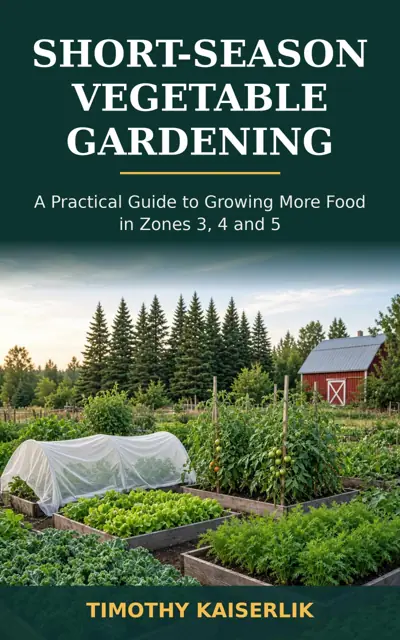
Short-Season Vegetable Gardening
A Practical Guide to Growing More Food in Zones 3, 4 and 5
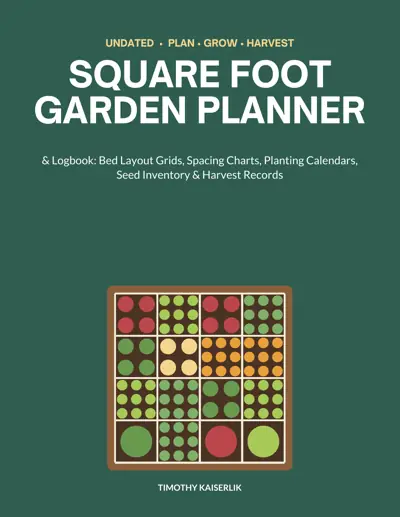
Square Foot Garden Planner & Logbook
An Undated Vegetable Garden Journal with Bed Layout Grids, Spacing Charts, Planting Calendars, Seed Inventory & Harvest Records
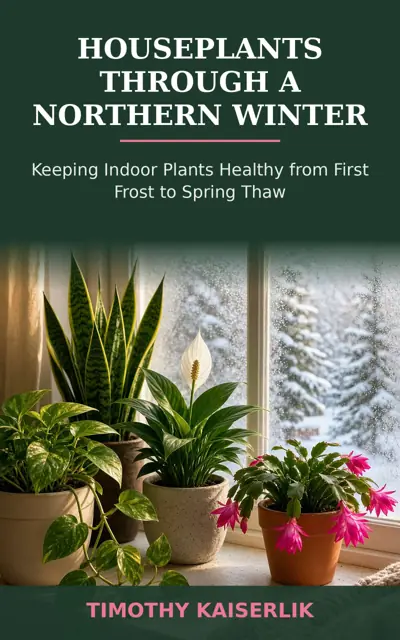
Houseplants Through a Northern Winter
Keeping Indoor Plants Healthy from First Frost to Spring Thaw
Further reading
The Year-Round Vegetable Gardener (opens in a new tab) by Niki Jabbour
Season extension, succession planting, and cold-weather crops from a Nova Scotia gardener — a strong fit for short northern seasons.
More like this
Gift Guide
The Zone Garden Encyclopedia, Book 1: A Must-Have Christmas Gift for Northern Gardeners
Why a USDA zone number is not a climate, and why The Zone Garden Encyclopedia, Book 1, is a must-have Christmas gift for zone 3–4 gardeners.
Seed Starting
Starting Seeds Indoors for a Short Northern Season: Timing, Lights, and Hardening Off
Learn when to start seeds indoors in Minnesota, how to set up grow lights, and how to harden off seedlings so they thrive in a short northern season.
Vegetable Growing
The Best Vegetables for Minnesota Gardens: Cold-Hardy Picks That Actually Produce
The best vegetables for Minnesota gardens: cold-hardy varieties that produce in zone 3b–4a, plus a simple succession planting plan for harvests all season.
Free printable
Get the free Christmas word search
Print a sample of our holiday word search puzzles for family game night, the classroom, or a quiet evening with coffee. Big, easy-to-read puzzles.
Free download, no purchase needed. The checkout page may ask for an email address to deliver the file.